
Healthy Soil Improvement Tips
I love to grow as much of my own food as possible. I grow organically, in healthy soil, just as nature has done forever, so I choose soil improvement techniques that imitate nature. Some vegetables are easy to grow in any old soil, but many need deep, rich soil. So by finding ways that imitate nature I find that my soil structure and its rich nutrient content provides me with the best possible medium for growing healthy, vigorous food plants.
The thing to remember is that we must continue to have a symbiotic relationship with the soil. In order for the soil to give us a thriving garden, we must replenish and build up the soil as an on-going process. If we don’t give back to nature, over time the soil becomes depleted and devoid of minerals that healthy plants need. Respect your soil and you will be rewarded with a garden that flourishes.
These practical soil improvement tips are both quick and easy to implement. You don’t need to do everything at once, just choose a few methods and implement them now – then plan to include more methods over time. These soil improving tips are not in any particular order.
Top 35 soil improvement tips:
1. Composting for healthy soil
Anything that was once living can be composted. When your compost matures, the rich black humus that is created adds new life to our soil. You really need to make your own compost so that you have a ready supply of nutrients for your veggie garden. Some things take a lot longer to break down and/or you may encourage rodents, so you might want to choose a different method for these items, such as burying your kitchen waste (see below): meats, dairy, onion peel, citrus peel, hard nut husks etc.
2. Have a ‘no-dig’ garden
Turning over your soil is one of the biggest myths around. I believe it is actually destructive to turn the soil. Soil has layers of micro-organism that live at different depths from the surface. When you turn over the soil most of these micro-organisms are killed and you damage the soil structure. Please, use a no-dig approach and create your healthy soil with compost, liquid fertilizers and mulches, rather than tearing it apart. Sell the rotary hoe!
3. Make Liquid Compost
Liquid compost is a quick way to get 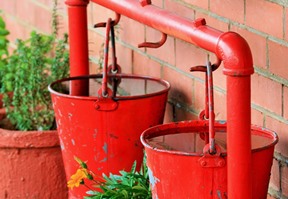 nutrients to your soil and plants. For a quick fix for your plants (and soil improvement), take a bucket of water and add a generous layer of mature compost to it. Stir then let it sit for a week. Use the brown liquid part on your soil and over your plants. If the liquid looks stronger than weak tea, add more water to it.
4. Liquid Seaweed Concentrate
This is beneficial to soil micro-organisms and helps nutrient uptake of other fertilizers. I buy Seasol if I can’t make my own. It’s a plant tonic and a great plant food. You can make your own SEAWEED LIQUID FERTILIZER by leaving seaweed in water for a few weeks. It’s illegal to take seaweed from some beaches, so check with your local authorities. If you do collect seaweed from the beach you need to soak it, then rinse it well in water before use, to remove the salt. When your liquid fertilizer is mature, you can add the soggy seaweed to your compost heap or use it as a mulch on some of your tougher plants.
5. Mulch Your Soil
Mulching your garden is so important, and not only for soil improvement. It performs so many functions. I swear I hear a sigh of relief from my beds when I add fresh mulch. Mulching
- reduces water evaporation, keeping your soil moist longer
- it helps prevent weeds from germinating
- it keeps the soil much cooler in summer
- and adds organic matter as it breaks down!
I prefer pea-straw in my veggie garden, but there are so many different organic mulches you could use. See what’s readily available in your area. It will be cheaper and easy to access.
6. Grow Legumes
Legumes essentially add nitrogen to the soil. Many legumes have root nodules that provide a home for symbiotic nitrogen-fixing bacteria called rhizobia.
Plants in the legume family include alfalfa, clover, lentils, peas, beans, even peanuts. Include some of these plants in your garden beds for healthy soil.
7. Get More Earthworms
Earthworms in your soil are a good indication of healthy soil. If you soil is too dry or wet, compacted or is lacking in organic matter you may not have many worms. Try improving your soil with compost and mulch and then introduce new earthworms to the improved area. Perhaps your neighbors can help you out with some.
8. Check and Correct Soil pH
Before doing anything to your soil, it’s always a good idea to test your pH level, just so you know what you’re dealing with. You can get a soil pH testing kit at most hardware or gardening stores.
9. Add Gypsum for healthy soil
If you have very hard clay soil and need to break it up, gypsum may be the answer. This is the only time I would suggest digging in your garden. Dig in gypsum with compost, then plant root vegetables to further help break up your soil.
10. Mushroom Compost, Pine Needles & Coffee Grounds for Acid Lovers
These are all quite acidic, but are useful to lower the pH for alkaline and/or sandy soils that are in need of organic matter. It is also good to make an area more acidic so you can grow acid loving plants, such as blueberries.
11. Have You Got Worms?
Worm castings are excellent for your garden. Make up a tea by mixing 1 part 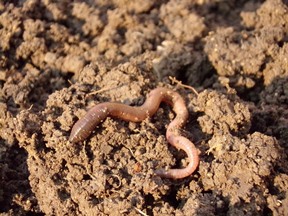 worm castings to 10 parts water. This will provide your garden with a burst of nutrients to your soil. You can buy a worm farm pretty much anywhere these days, or you can make your own with a few foam boxes. Worms are worth their weight in gold in the garden. Keep them cool and moist and fed and they will reward you with nutrient-rich castings, and process your kitchen waste!
12. Crop Rotation
Don’t deplete your garden beds by planting the same crop there, year in, year out. You need to move your crops around each year to help maintain healthy soil. Often plants in the same family will take the same nutrients from the soil. So share the love…. rotate your crops around your various garden beds to prevent depleting your soil. So important for organic vegetable gardening.
13. Diversify
Create micro climates throughout your garden and through your veggie patches. Growing a diverse range of plants in a small area that need similar growing conditions helps with soil improvement. For example, growing Mediterranean herbs together, such as Rosemary, Thyme, Chives, Sage, Basil and Oregano – they all like hot, dry summers, cool winters and tolerate sandy soils.
14. Weed Matting
Weed mats, or old carpet (not synthetic) or cardboard, or layers of newspaper will all have roughly the same effect. They smother and kill weeds and keep moisture in the soil. With some plants, such as potatoes you can just plant over the top of your weed mat – goodbye weeds, hello veggies! Don’t use plastic weed mats though. You need the woven type that allows the soil to breathe and allow water to soak through.
15. Plant Something
This may not sound like a soil improvement tip, but don’t leave your soil sitting bare. Plant something in the space of a harvested plant, or mulch it as soon as possible. Leaving it exposed allows rain and wind to erode your beautiful topsoil.
16. Chickens help create healthy soil
Chickens and other small animals are a great asset to the garden. Let them walk  around and scratch at the ground of harvested plots and use their manure for great organic compost, before planting your new crop. Or you can make liquid fertilizer from their poop. It is very strong though, so it’s best to either compost it first, or let it sit in water for at least a month and make sure you water it down until it looks like weak tea before using directly on your plants.
17. Add Animal Manure
Animal manure is a great addition to the soil. You want to be sure of where it comes from though. For example, horse manure is often full of weed seeds. You also want to make sure the animals that are providing the poop are not on antibiotics, or treated with chemicals. Best to know your source or keep a few small animals of your own to be absolutely sure. You can’t use fresh manure directly onto the garden though – the urea in it will burn your plants. It’s always best to compost first.
18. Let Some Fruit Rot
Allowing some fruit to drop on the ground under the tree that grew it helps both that tree and all the local little critters. We don’t need it all, so you can leave some for nature (unless you are in a fruit-fly infested area).
19. Granite or Rock Dust
Rock dust or crushed granite added to the compost will provide mineral content to your garden. You can buy it in most garden supply shops or visit a quarry.
20. Add Wood Ash to Compost
Coals and wood ash from your fire is another great addition to your compost heap, as it is already well broken down and rich. Beware of adding it directly to the soil though. If you do this, make sure there is no heat left in the coals and ONLY add to alkaline loving plants, or to decrease acid soils (but it’s still better to add to your compost as you will then have good, balanced compost).
21. Blood and Bone
Also known as Dynamic Lifter is also good for sandy and/or depleted soils. It is relatively inexpensive to buy and the results are well worth it.
22. Raised Beds
Drainage is very important for healthy garden beds. If you have heavy clay soil, you may want to invest in raised beds. Fill them with good quality organic soil and you will have a great head start to healthy soil. Raised beds are also great for older people who may have problems bending down to ground level.
23. Use Your Grey Water
Be sure to use bio-degradable detergents and you can run your grey water onto hardy plants, which will help keep your soil full of fat earthworms, who will love your soil and keep improving it for you.
24. Sandy Soils
Most soil types have their advantages and disadvantages. And most can be greatly improved by adding more and more organic matter. Unfortunately sandy soils are often low in nutrients and some are even water repelling or resistant. Again the answer to this is to keep adding organic material and over time you will create healthy soil.
25. Human Urine
A bit of a quirky soil improvement tip – but there are so many reasons to use fresh human urine as a soil conditioner. It’s free, it’s abundant and close at hand. It also is one of the fastest-acting, most excellent sources of nitrogen, phosphorous, potassium and trace elements for plants, and (when diluted 1 part urine to 20 parts water) in a form that is perfect for your soil to absorb. Human urine is sterile when fresh – just don’t use if you have a urinary tract infection or if you are on any antibiotics.
26. Green Waste to Liquid Fertilizer
Fill a large bucket with water and then place all the greens you can find in the water. You can use weeds, green crops, herbs, comfrey, grass or kitchen scraps. Stir each day until you have a green ‘tea’ (a couple of weeks). Dilute with more water if it looks too strong and sprinkle your garden beds.
 27. Water Plants
You can use water weeds to improve your soil. They are usually slimy to the touch and have algae on them. They make great plant and soil food. Bury them under mulch or make liquid fertilizer from them.
28. Beware of Large Trees
Before deciding where to put your veggie garden, consider any large trees nearby. They have large root systems which will deplete your soil of nutrients and water.
29. Bury Your Kitchen Waste
Start enriching a virgin patch of soil by burying your kitchen waste instead of composting it. Dig a large hole, about a yard deep, then fill it with kitchen scraps or anything that takes a long time to break down like onion or citrus skins. When it is about three quarters full, cover it and let it sit for about it for three months. After that time you can plant out your new bed, knowing that the soil has been improved.
30. Grow Herbs
Comfrey and Yarrow are both compost activators. Chamomile is a lovely ground-cover, a great herbal tea and is also grown to promote soil fertility. These are unusual, but still worthwhile soil improvement tips.
31. Water in the Evening
Depending on your climate, you might want to consider watering in the evening. That way your plants and your healthy soil get the best opportunity to absorb all that moisture before the sun starts taking it away. You could also add some large rocks around the garden which will also slow down evaporation. If you live in a humid climate you wouldn’t want to do this and don’t need to.
32. Powdered Sulfur
Sulfur works best in soils that are high in sodium and calcium but where the calcium is tied up because it is insoluble. Soil micro-organisms convert sulfur to sulfuric acid, which dissolves insoluble calcium, and can then displace the sodium to improve the soil just like gypsum does. That conversion of sulfur to sulfuric acid means that sulfur can also be used to make soils more acidic.
33. Epsom Salts for Magnesium Deficiency
If you’re sure you have a magnesium deficiency in your soil (plants have yellowing leaves with a slight pink tinge) then try Epsom salts.
34. Green Manure Plants
Another great organic vegetable gardening tip: Legumes are great for fixing nitrogen to the soil. But many organic gardeners grow them as a green manure crop. Grow them until they are at the flowering stage, then slash them as near to the ground as possible and just leave them on the ground as a mulch.
35. Mix Up Your Mulch
As much as I love pea-straw for my preferred mulch, it is a good idea to use different mulches over the years. They will provide a greater variety of nutrients as they break down and become one with the soil. Depending on where you live and what you can source locally, you could use anything from peanut hey, lemon-grass, leaves from the coffee bush and vanilla ice cream bean, various straws, nut husks are excellent mulches. And of course, your very own compost makes the most perfect mulch.
So there you have it 🙂
My top 35 soil improvement tips
As the seasons go by you’ll start to see the benefits of your efforts in creating a deep, nutrient rich, organic soil. You will be enjoying your own delicious fruits and vegetables that grow easily and with very few problems as they will grow strong and healthy with the help of your healthy soil. Soil really is the secret to growing everything!
So what are you waiting for? Get out there and improve your soil by using some or all of these soil improvement tips!
Warmest regards,
